The way forward for Advanced Air Mobility in Europe – The case of SEA Milan Airports
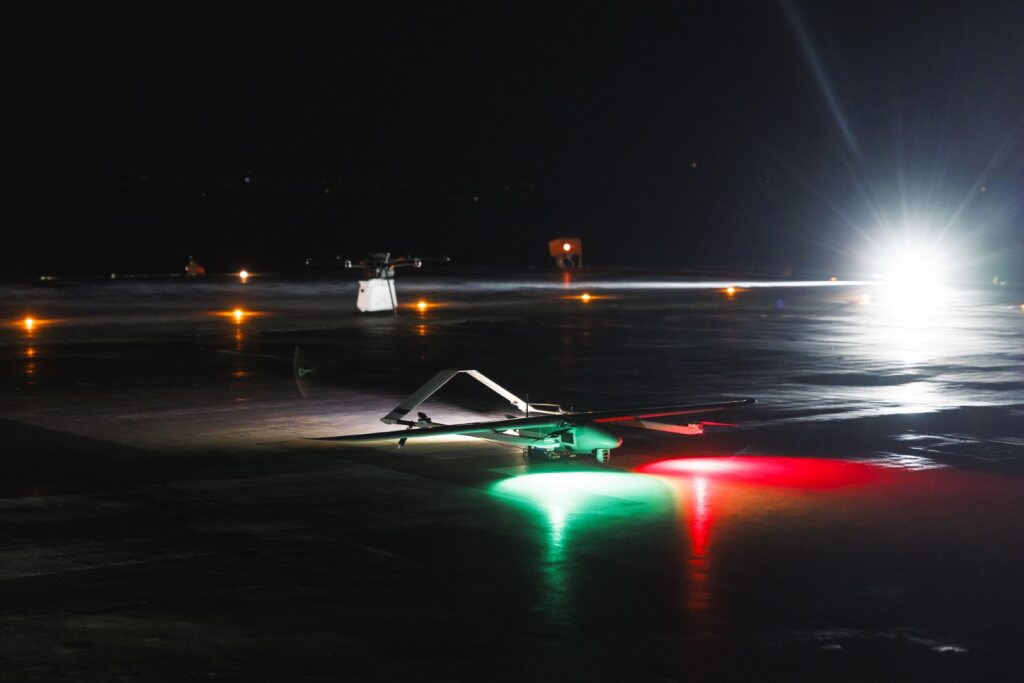
Advanced Air Mobility (AAM): a relatively new sector of the aviation industry aiming to incorporate highly automated aircraft safely and efficiently. As this technology develops, how can airports play a driving role, ensuring that they reap the full range of benefits AAM has to offer? Our Five Minute Feature this month explores the case study of SEA Milan Airports, who are taking AAM by the reins and developing a proactive and airport-centric strategy.
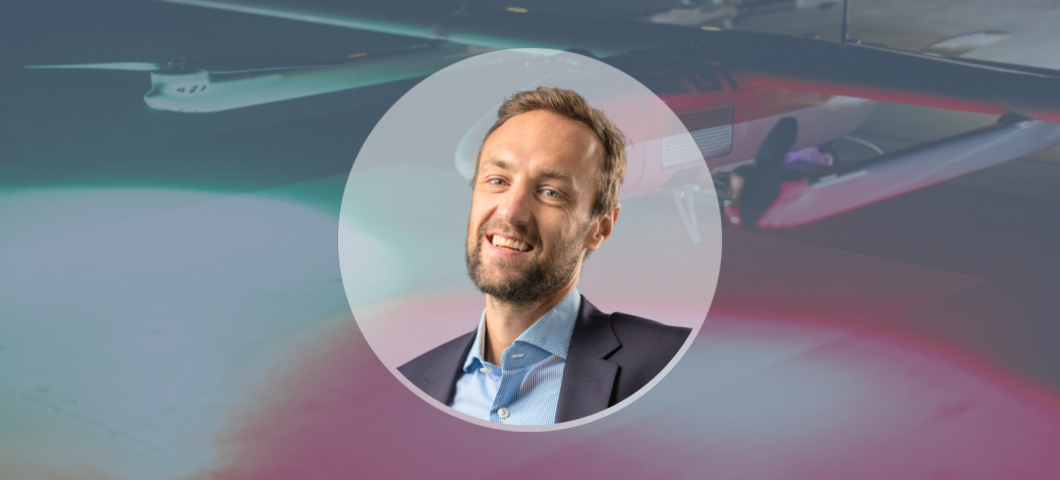
Guest author Paolo Cappello, CEO of Vega – a joint venture designed to develop and scale AAM infrastructure in the region of Lombardy and beyond – covers the reasoning behind their investment in AAM, as well as how Europe can act now to ensure a prosperous and positive future for the continent’s AAM capabilities.
Airports at the centre of AAM transformation
Advanced Air Mobility (AAM) carries a promise for aviation and transport systems to tap into a new way of flying. At the centre of this transformation, airports would no longer be merely gateways for conventional air traffic: they are becoming core nodes of a new, integrated mobility ecosystem. For SEA Milan Airports, this evolution is a cornerstone of its diversification and sustainability strategy, implemented through Vega.
This vision is reaffirmed in ACI EUROPE’s discussion paper “Europe at a Crossroads – Reclaiming Leadership in AAM”, which highlights how airports play a central role in enabling AAM in Europe and calls on institutions, operators and industry stakeholders to work together to overcome regulatory, infrastructural and operational barriers.
Airports already concentrate high volumes of time-sensitive passengers and connectivity demand, making them the most logical starting point for early AAM adoption. By extending an airport’s catchment area beyond traditional ground-access limits, AAM can also attract passengers from remote or underserved areas, feeding previously untapped traffic into regional and long-haul networks.
Strategic positioning of SEA Milan
The role of airports in AAM aligns closely with SEA’s wider corporate strategy, which focuses on sustainability, innovation, and a seamless passenger experience. Milan’s airports serve one of the wealthiest and most dynamic regions in Europe, positioned at the southern gateway of the Blue Banana corridor and at the intersection of two Trans-European Transport Network (TEN-T) corridors, supported by an evolving intermodal system – including the new M4 metro connection to Linate and enhanced rail links to Malpensa.
However, launching an AAM ecosystem in Italy is far more than a technical exercise. It is a systemic transformation requiring regulatory harmonisation, infrastructure readiness, industrial alignment, financial resilience, and social acceptance.
To advance AAM development in a structured and resilient way, SEA recognises the need for a multi-stakeholder, collaborative approach. Vega’s shareholder structure deliberately combines local operational expertise, global technical know-how and strong financial backing. The partners include SEA Milan Airports; Skyports Infrastructure, a global leader in vertiport development; and 2i Aeroporti, Italy’s largest airport investment platform. This configuration allows Vega to pursue an “early followership” strategy – progressing without rushing capital-intensive investments while fully benefitting from the sector’s learning curve.
SEA’s ambition is to actively contribute to the development of AAM in Italy by creating a network of vertiports starting from Milan and the Lombardy Region, with Malpensa (MXP) and Linate (LIN) as anchor nodes. In this vision, airports evolve into multimodal hubs where electric Vertical Take-Off and Landing (eVTOL) operations are fully integrated with conventional aviation, enabling fast, point-to-point connections between airports and urban centres.
Barriers to AAM development
On the regulatory front, harmonisation between the European Union Aviation Safety Agency (EASA) and the Federal Aviation Administration (FAA) remains critical. While Europe was once a global frontrunner in AAM, it now risks losing ground due to regulatory bottlenecks, setbacks among European Original Equipment Manufacturers (OEMs) and delayed infrastructure development.
Industrial activation presents another challenge. Non-EU OEMs have prioritised other markets, while EASA’s rigorous – but slow – certification processes have discouraged manufacturers, delayed market entry, and generated cascading effects across operators and infrastructure providers.
Infrastructure readiness is equally complex. Developing vertiports in dense urban areas involves competition for scarce real estate, technical constraints, and uncertainty over deployment timelines, while high-capacity charging will require significant upgrades to energy grids.
At airport level, integration demands intense stakeholder coordination. Civil aviation authorities, airports, OEMs, operators, air navigation service providers, municipalities, energy companies and EU institutions must align – a process that requires facilitation and strong governance. Public acceptance is another decisive factor, with noise, privacy and environmental concerns calling for proactive engagement. Finally, economic viability remains uncertain, with high upfront investment set against the need for a phased and demand-driven rollout.
European competitiveness at stake
The global race for Advanced Air Mobility is already underway. Europe still possesses the expertise, infrastructure and industrial capabilities needed to lead, and airports are in pole position to transform the vision into reality, but the window of opportunity is closing fast. Without a coordinated strategy and decisive action, the continent risks losing competitiveness, jobs, and regulatory influence.
The message is clear: airports and institutions must work together to place Europe back at the forefront of AAM and deliver cleaner, faster, and more connected mobility. The future of Advanced Air Mobility is not a distant vision – it is taking shape now.